Charvak Reservoir
Field check requiredCharvak is the fast-access mountain water escape for Tashkent drivers, with big lake scale rather than remote wilderness. It works best when paired with timing discipline because weekends change the whole feel.
Shown: 12
Charvak is the fast-access mountain water escape for Tashkent drivers, with big lake scale rather than remote wilderness. It works best when paired with timing discipline because weekends change the whole feel.
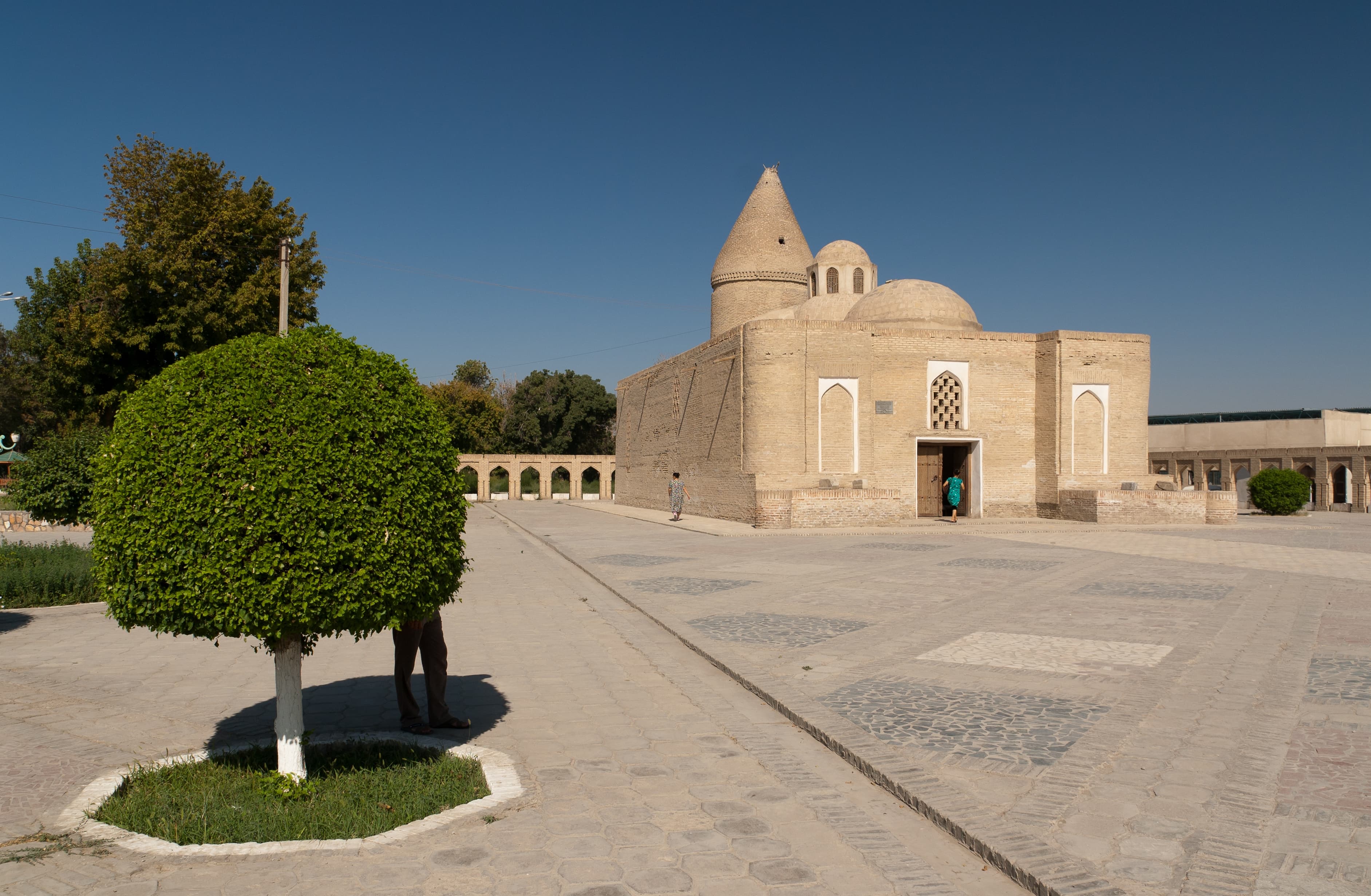
Chashma-Ayub works best as a companion stop to the Samanid Mausoleum rather than a stand-alone headline monument. Its narrow vertical profile, spring legend and layered funerary architecture add useful texture to a Bukhara walk.
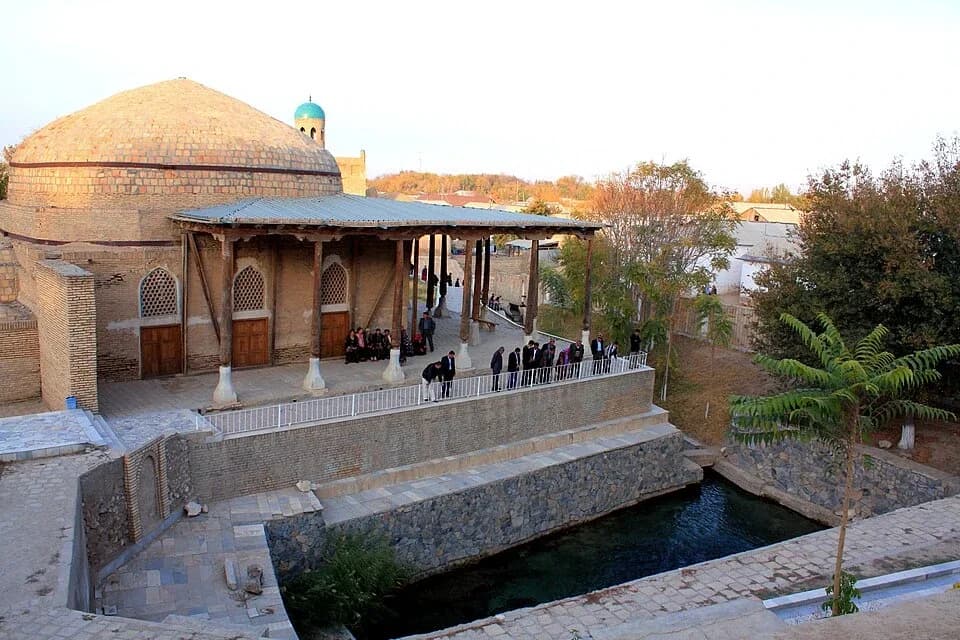
Chashma brings together spring water, pilgrimage and architecture in the centre of Nurota. Clear pools and stone-lined channels lie beside domed mosques and columned verandas. Fish are a familiar part of the spring, while the low hill behind the ensemble places the buildings against a dry, rocky backdrop.
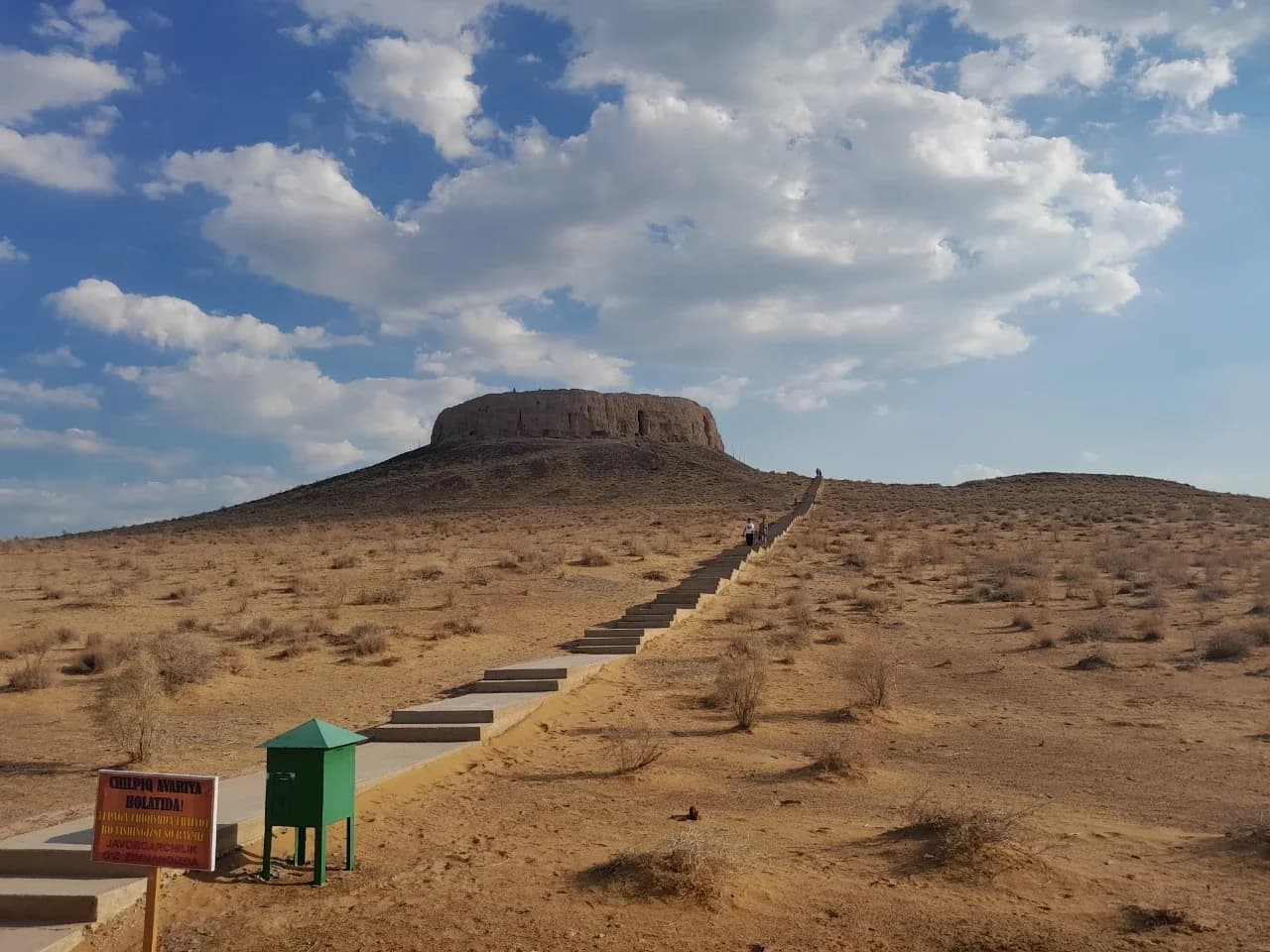
An earthen ring crowns a solitary hill south of Nukus. Chilpik is a striking Zoroastrian funerary monument in the open landscape of Karakalpakstan.
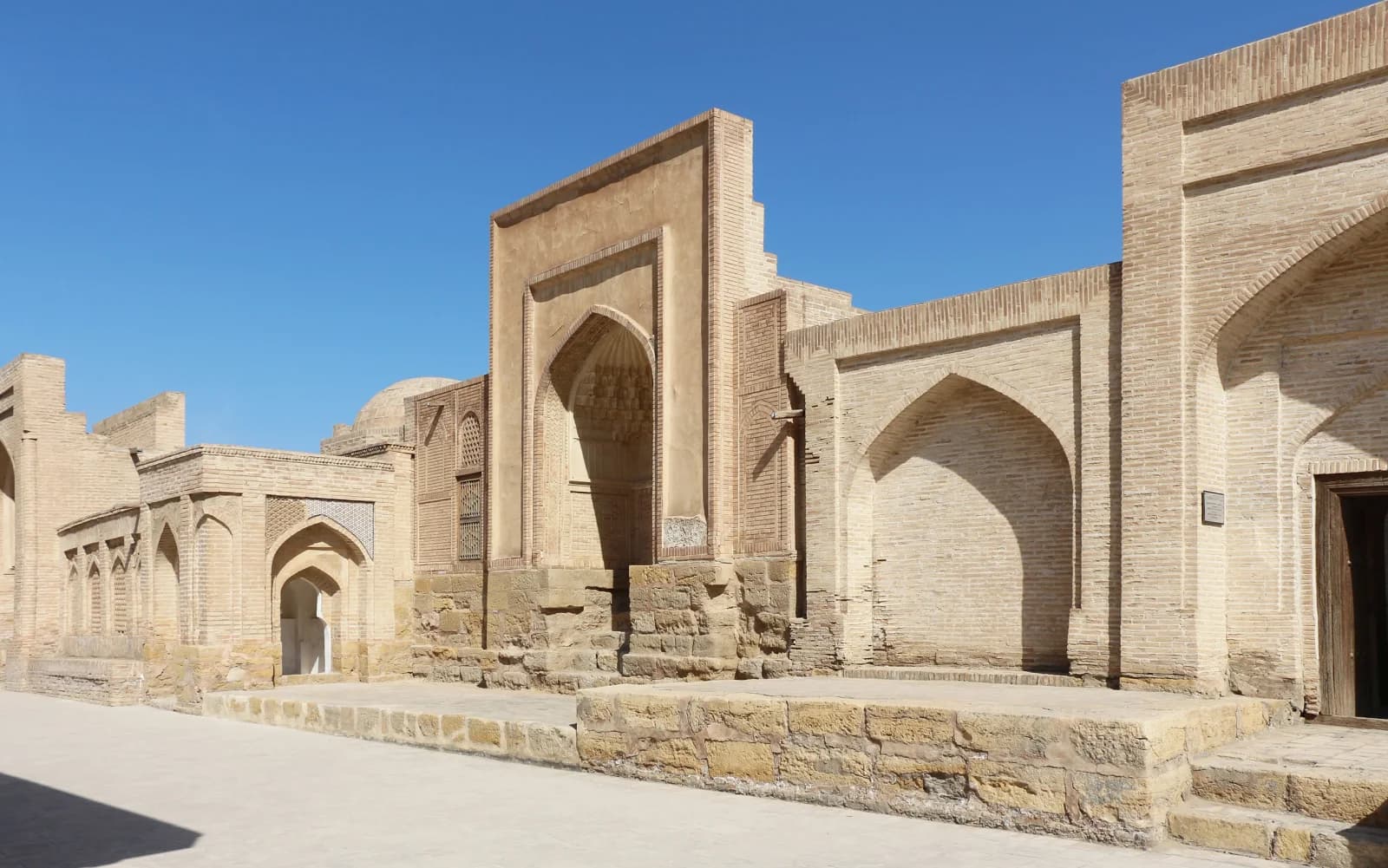
Chor Bakr is a funerary and architectural ensemble at Sumitan outside Bukhara. Broad open spaces and monumental brick fronts distinguish it from a single enclosed mausoleum. The interest of a visit lies in how the buildings and burial grounds form a connected place of remembrance.
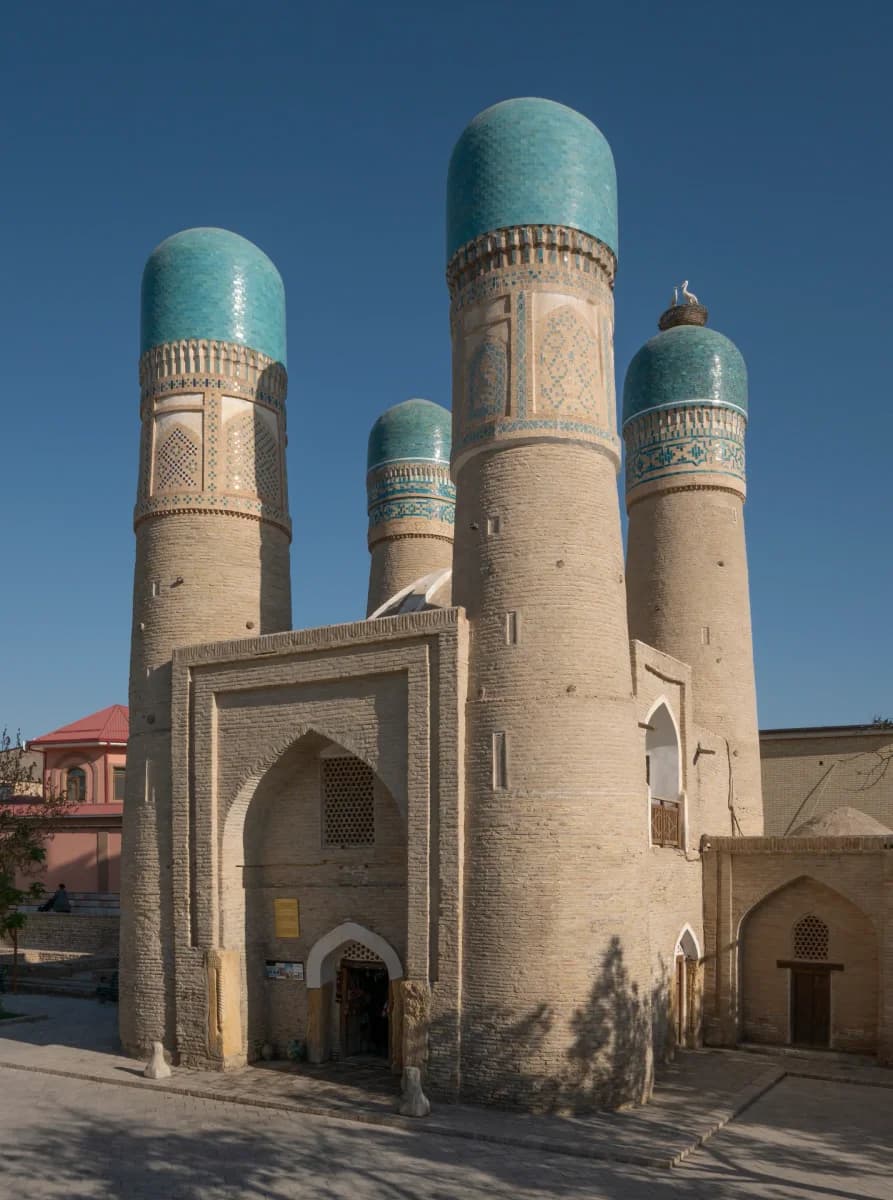
Chor Minor is one of Bukhara's most distinctive small monuments. Four towers with blue domed tops frame a compact central building associated with the Khalifa Niyazkul madrasah. Its appeal is in this unusual silhouette and the close relationship between the four towers, rather than the scale of a vast courtyard ensemble.
Chorsu is the strongest everyday-city stop in old Tashkent: bread rows, produce halls, spice counters and the market dome all read better as a living quarter than as a monument photo. Give it real time, because the surrounding lanes matter almost as much as the central building.
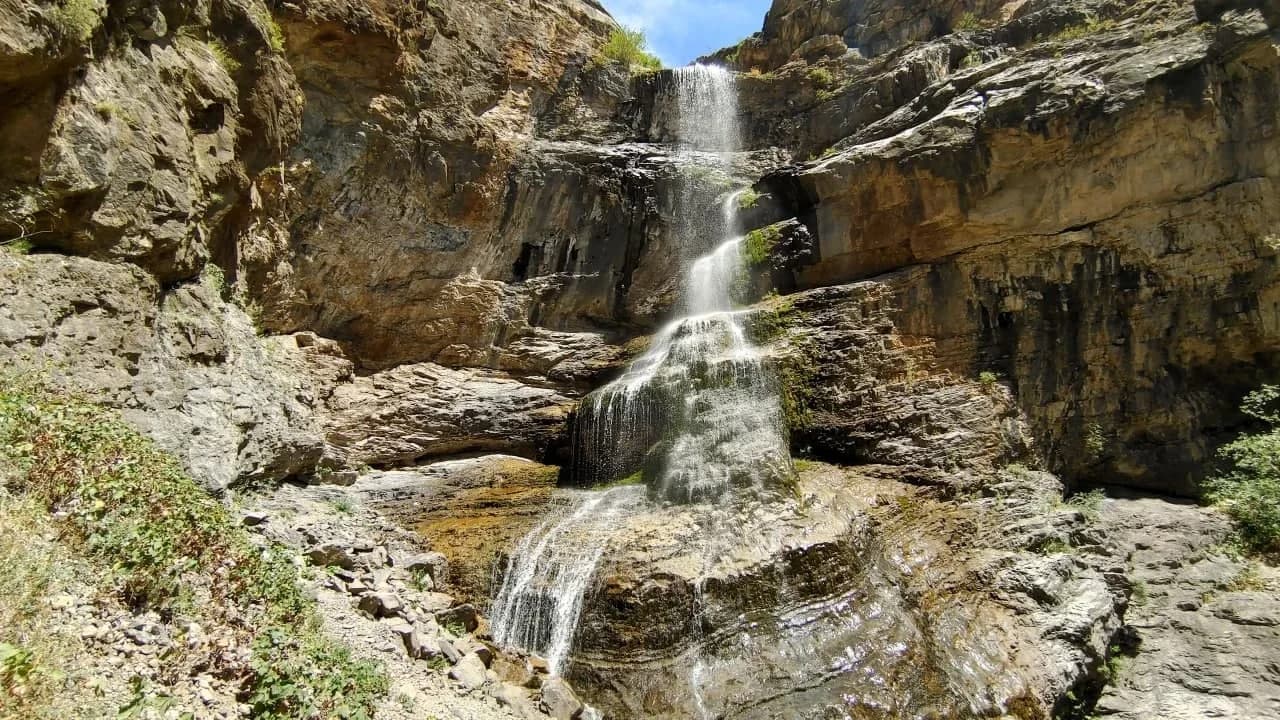
Also known as Fata Nevesty, Chukurak descends over layered stone steps in a rocky gorge. Its narrow upper stream opens into a softer curtain of water below.
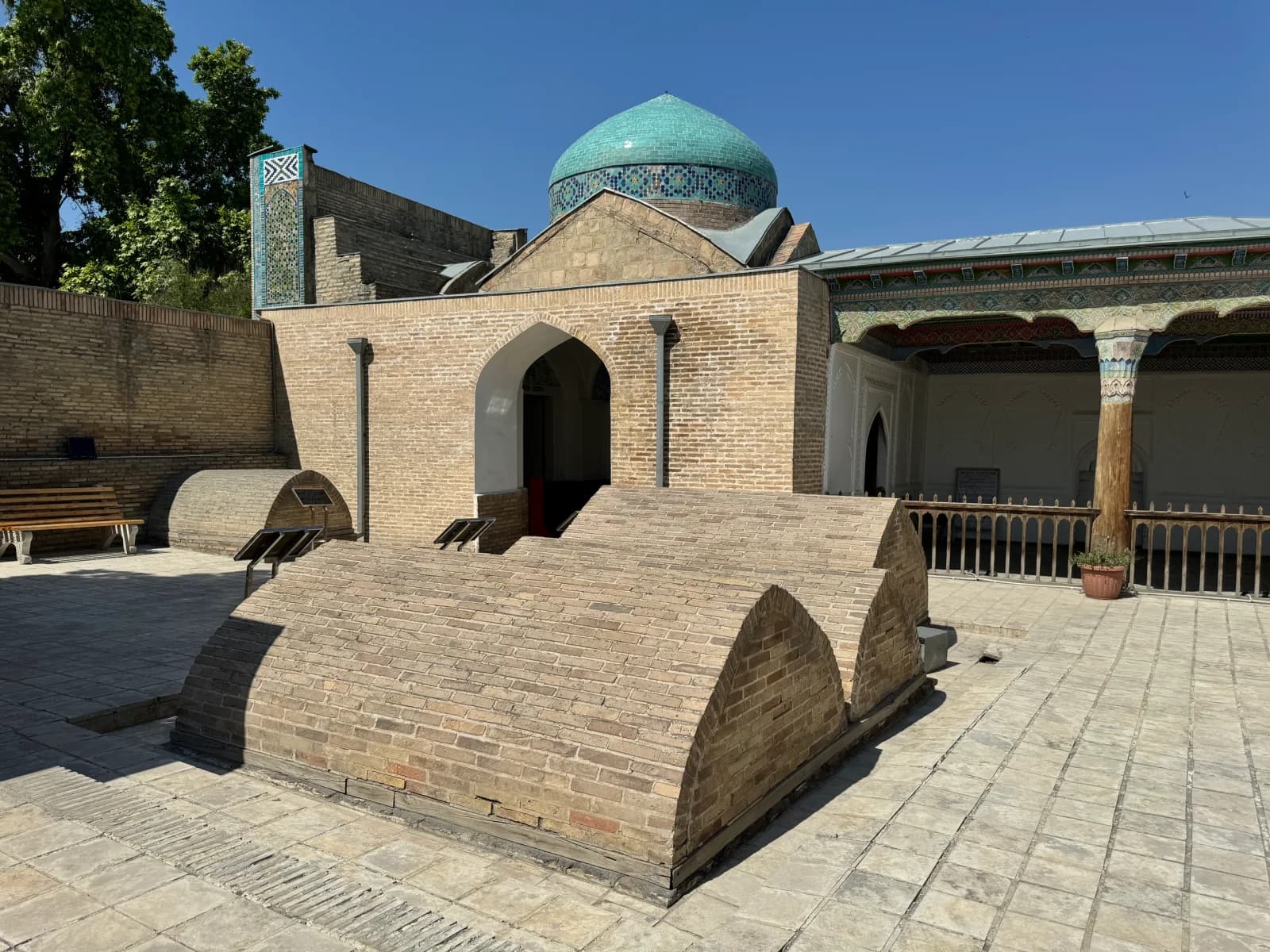
Dakhma-i-Shahan is the family burial ensemble of the Kokand rulers. Behind its decorated entrance lies a compact courtyard of brick tombs, low walls and a small mosque. The raised, rounded grave structures make the burial ground immediately legible, while the turquoise dome and painted veranda bring colour to the brick setting.
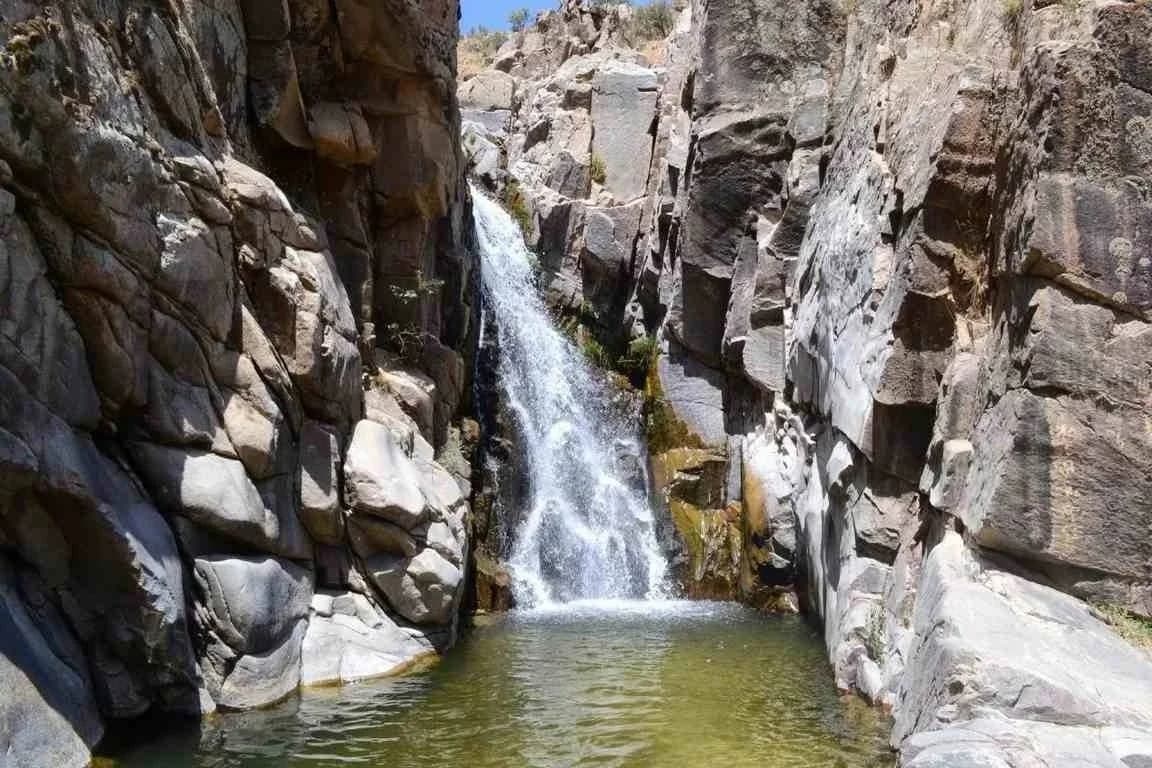
Devsharshara is tucked into a small gorge in the Agalyk mountains near Samarkand. Water drops between sculpted rocks into a natural pool, creating a compact landscape of moving water, bare stone and enclosed space.
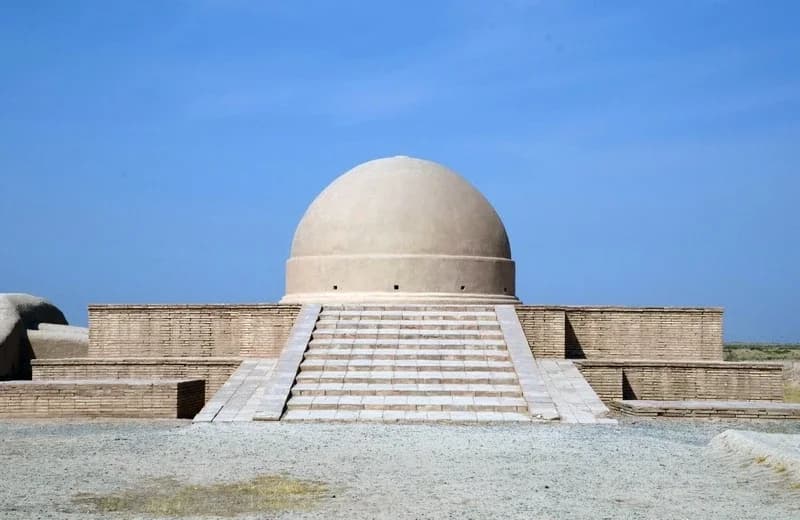
Fayaz Tepe introduces the Buddhist heritage of the Termez area through the remains of a temple and monastery complex. Its interest lies in the surviving plan: spaces for worship, monastic life and everyday work once formed a connected ensemble beside the ancient city.
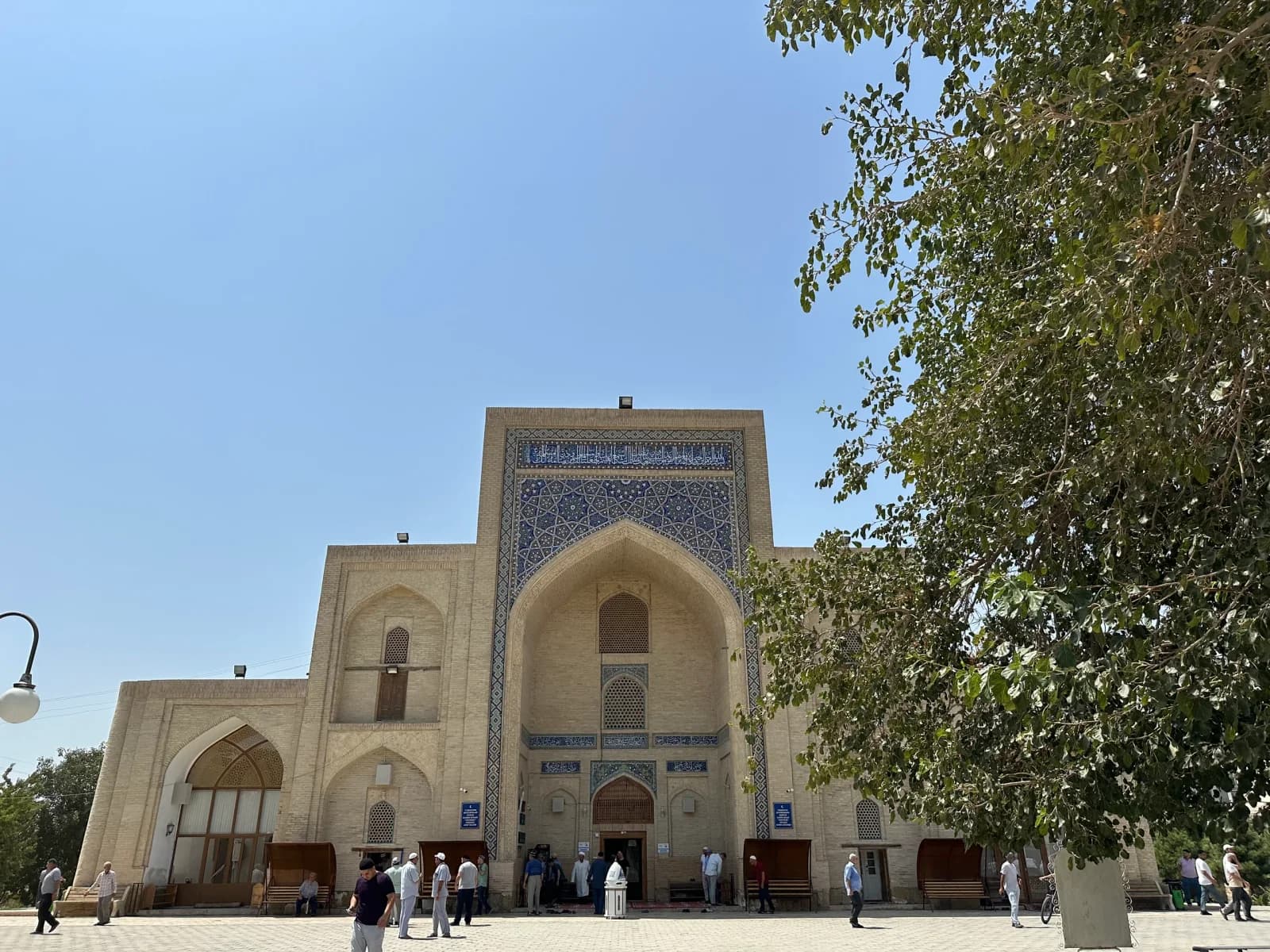
Fayzobod Khanqah is a historic religious building in Bukhara, distinguished by a tall central portal and lower wings to either side. The entrance arch rises above the smaller openings around it, giving the facade a strong centre even though most of its surface is warm, unglazed brick.